Home
Home Articles
 Twos Talks
 Videos
Art Deco in a Minute: The Geometry of Modern Glamour
A major 20th-century design movement called Art Deco that combined geometric elegance, luxury, and technological optimism in the interwar period.
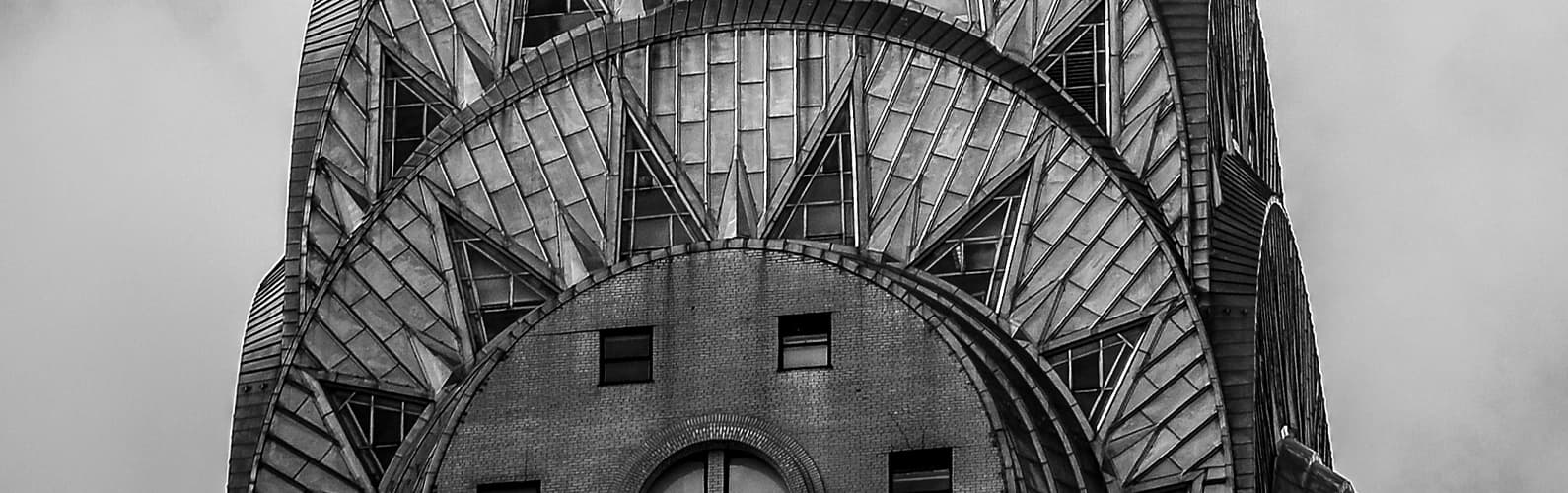
Art Deco arrived in the 1920s as a global design language formed by modern industry, luxury culture, and rapid urban transformation. It developed in the aftermath of World War I, when societies were simultaneously rebuilding and reimagining modern life. Modernity did not require the rejection of ornament in Art Deco. Instead, decoration became more geometric, structured, and closely integrated with design. The movement became visible in architecture, graphic design, fashion, and industrial design. It became one of the defining visual styles of the Jazz Age and beyond.

Key Principles of Art Deco
Geometric Structure
Art Deco uses a strong geometric order. Circles, zigzags, chevrons, and stepped forms replace organic shapes with controlled, symmetrical compositions.
Stylized Ornament
Decoration is not eliminated. It is redesigned as abstract, repetitive forms integrated into structure instead of applied externally.
Material Luxury
The movement is closely tied to high-end materials such as chrome, glass, marble, lacquer, and exotic woods. These materials express both craftsmanship and industrial capability.
Machine-Age Aesthetic
Art Deco expresses a fascination with speed and technology, drawing from trains, ocean liners, and skyscrapers to create streamlined and dynamic forms.
Symmetry and Monumentality
Compositions use balance and axial symmetry, producing clarity, authority, and architectural presence.
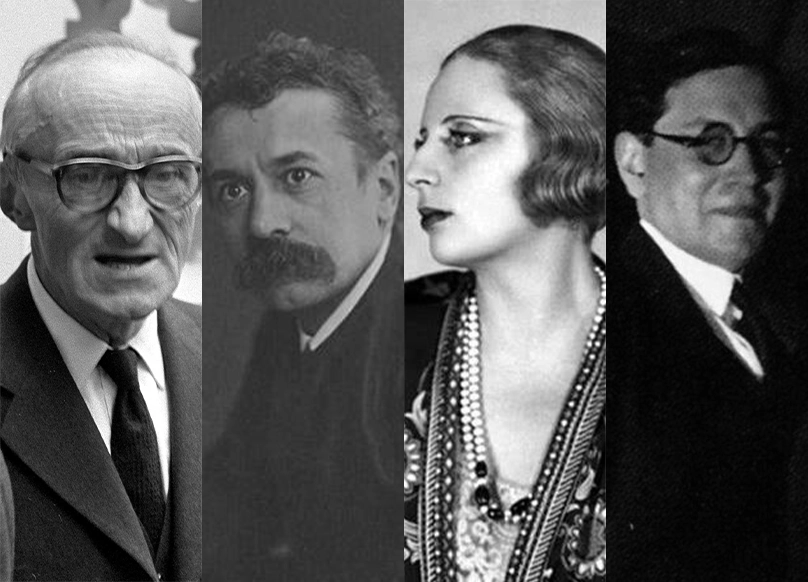
Notable Designers
A. M. Cassandre
Cassandre, already a notable figure in graphic design, worked within Art Deco to redefine posters as a modern visual system, using scale, typography, and abstraction.
René Lalique
Lalique transformed glass design and jewelry into key expressions of Art Deco through luxury materials and refined geometric motifs.
Tamara de Lempicka
Her painting style introduced a polished, sculptural aesthetic associated with interwar high society and modern portraiture.
Émile-Jacques Ruhlmann
Ruhlmann was a central figure in furniture design. He combined rare materials with strict geometric structure, defining Art Deco interiors.
Historical Context and Influences
Art Deco took shape in France and gained international recognition after the 1925 Exposition Internationale des Arts Décoratifs et Industriels Modernes in Paris. The movement evolved as a response to Art Nouveau, replacing organic forms with structure and abstraction.
It was influenced by Cubism, Futurism, and early modernist abstraction, especially in its use of fragmentation and geometry. Unlike Bauhaus or Constructivism, Art Deco was not a strict ideological system. It functioned as a hybrid style across fine art, applied arts, architecture, and commercial design, which explains its rapid global spread during the interwar period.
Impact Today
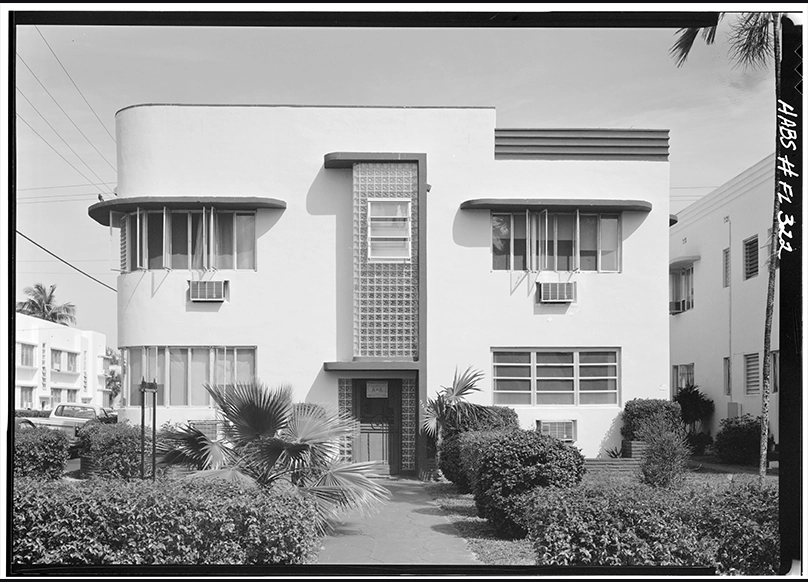
Although Art Deco declined after World War II, its visual language has remained influential. It continues to appear in branding, editorial design, architecture, and interior design. Cities such as New York, Miami, and Mumbai still preserve major architectural examples of the style.
More importantly, Art Deco established a lasting design idea: modernity can be both functional and decorative. It demonstrated that geometry, luxury, and technology can coexist within a unified visual system.
Short Answers (FAQ)
What is Art Deco in simple terms?
A 1920s–1930s design style that combined geometry, luxury materials, and modern industrial influence.
Why is Art Deco important in design history?
It defined the visual culture of the interwar period and influenced multiple design disciplines worldwide.
How did Art Deco influence modern design?
It introduced a structured form of decoration that still informs architecture, branding, and visual culture today.