Home
Home Articles
 Twos Talks
 Videos
Arts & Crafts in a Minute: The Movement That Stood Against Machines
A 19th-century design movement that pushed back against mass production and revived craftsmanship. Arts & Crafts Movement.
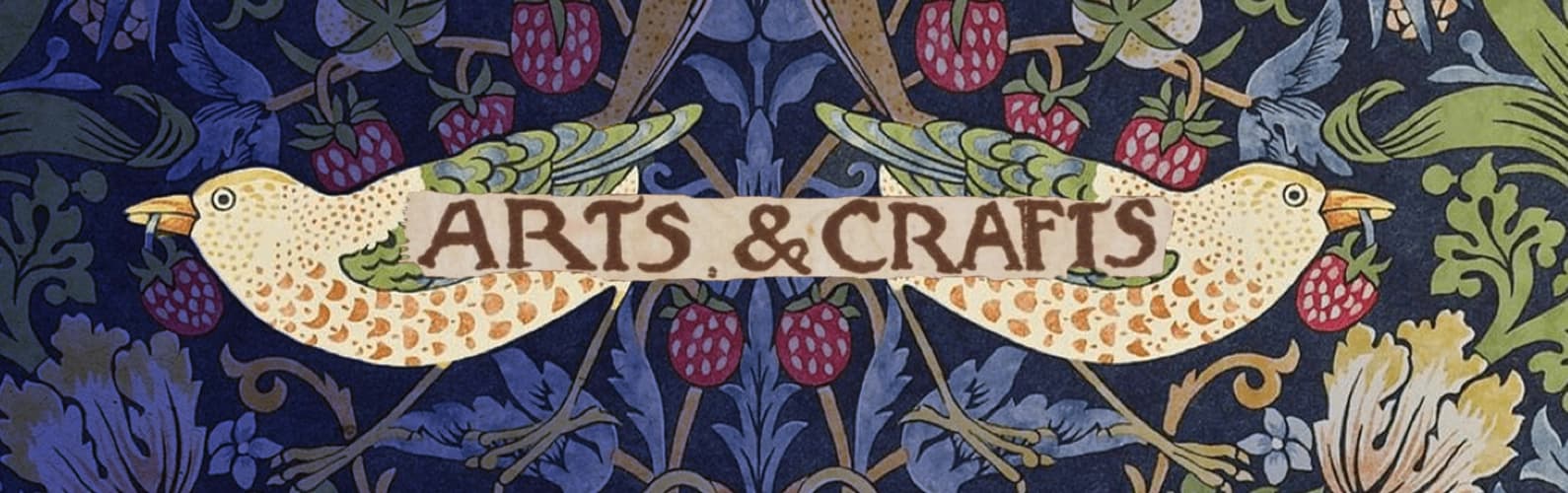
When the Industrial Revolution filled homes with fast, low-quality goods in the mid-19th century, craftsmanship began to disappear. In Britain, designers and craftspeople responded with the Arts and Crafts movement (c. 1860–1910). It called for design rooted in skill, care and human creativity rather than machine output, and highlighted the value of the maker and the quality of their work.
Key Principles of Arts & Crafts
Craftsmanship over mass production
Objects were made by skilled hands with attention to detail and purpose.
Honest materials
Designers used natural materials like wood, stone and textile fibers, allowing their qualities to be visible.
Simplicity and function
Forms were kept simple and practical, with decoration growing naturally from the structure.
Beauty in everyday life
The movement believed that well-made objects improve the quality of daily living, no matter how ordinary the item.
Notable Designers
William Morris
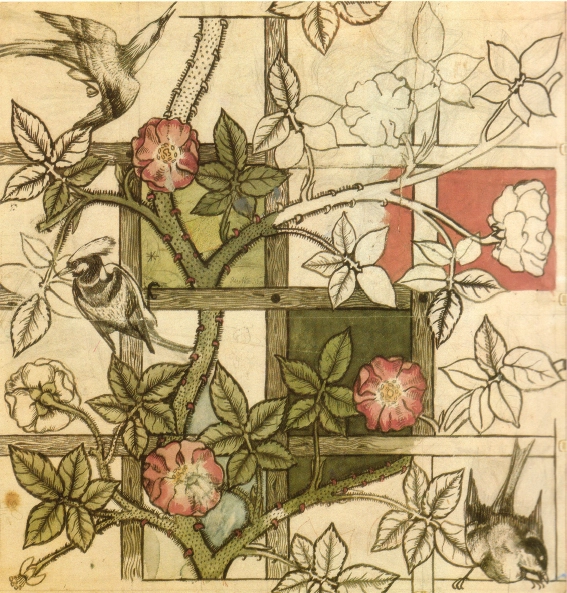
The central figure of the movement; founder of Morris & Company and advocate for skilled labor in design.
Charles Robert Ashbee
Led the Guild and School of Handicraft, fostering craft communities.
Philip Webb
Architect and designer who collaborated closely with Morris, known for simple, honest structures.
May Morris
Expert in textiles and embroidery, and key in extending the movement’s influence into the next generation.
Historical Context and Influences
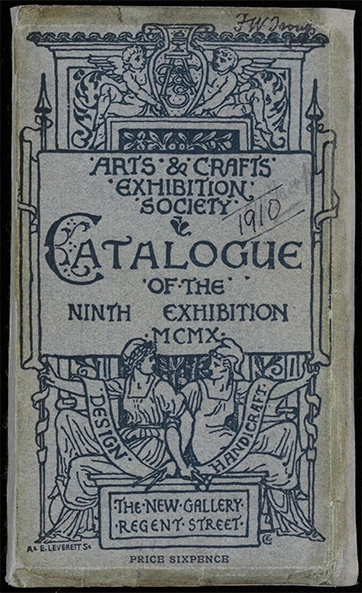
The Arts and Crafts movement began in Britain around 1860, particularly in London and the Midlands, and spread to Europe and the United States by the early 20th century. Major urban centers such as Birmingham, Manchester and London hosted workshops, schools, and patrons who supported the movement. The Industrial Revolution had created a flood of cheap, repetitive, low-quality goods, displacing skilled workers and weakening the connection between maker and object.
The movement drew inspiration from medieval workshops, natural forms and traditional craft methods. Morris and his colleagues were also influenced by John Ruskin’s critique of industrial production and Augustus Pugin’s Gothic revival ideals. Its principles influenced architecture, interior design and design schools that valued structure, clarity and intentionality.
Impact Today
Arts & Crafts influenced modern ideas about craftsmanship, sustainability and the importance of material honesty. Contemporary practices such as slow design, local production, handmade goods, and small-batch craft trace their roots to this movement. Its core message still resonates: good design begins with intention, respect for materials and the value of human skill.