Home
Home Articles
 Twos Talks
 Videos
Holiday Graphic Design Before Digital Tools: Works by Famous Designers
A look at which master designers created holiday and New Year cards, posters, and seasonal prints before digital tools, with a mix of artistry, innovation, and celebration.
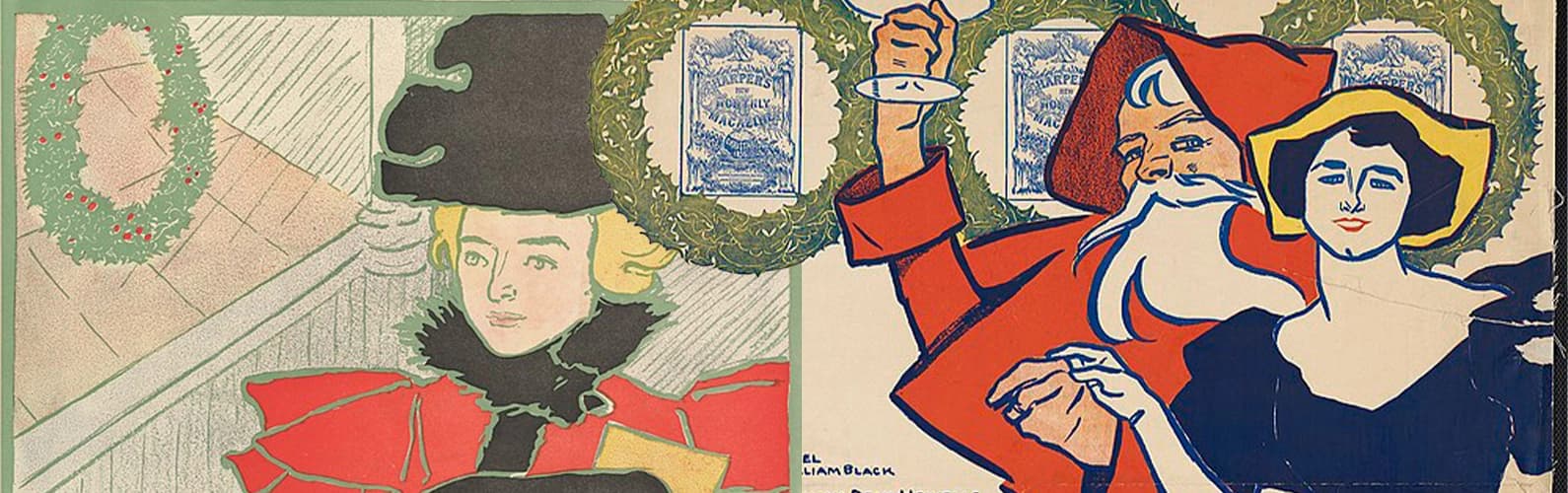
Before digital tools made holiday cards and seasonal graphics quick and easy, designers relied on print, illustration, and typographic craft to create memorable and inventive works. Master designers such as Milton Glaser, Paul Rand, Herb Lubalin, and Anton Stankowski approached holiday and New Year cards, posters, and seasonal prints as a space for creativity, experimentation, and personal expression. These works allowed designers to experiment outside commercial briefs and explore new visual ideas long before digital shortcuts or social media offered instant visibility.
First Christmas Card
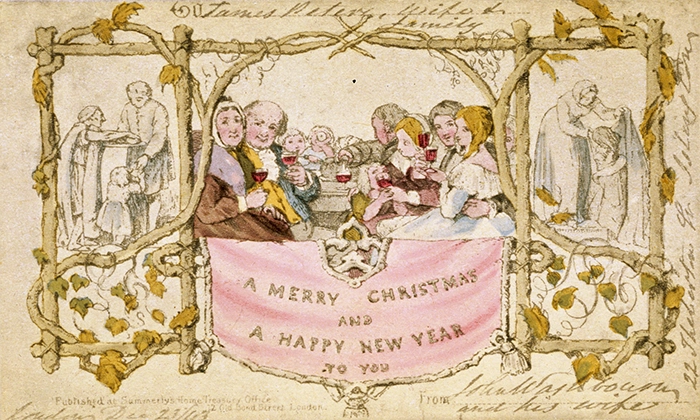
Printed holiday cards began long before modern graphic design became a formal profession. The first Christmas card is credited to Sir Henry Cole in 1843, created at a time when lithography was transforming print production. Early designs were often illustrative, handcrafted, and rich with symbolism. By the early 20th century, greeting cards and seasonal prints were widely produced, and artists and graphic designers began to create works in their own styles.
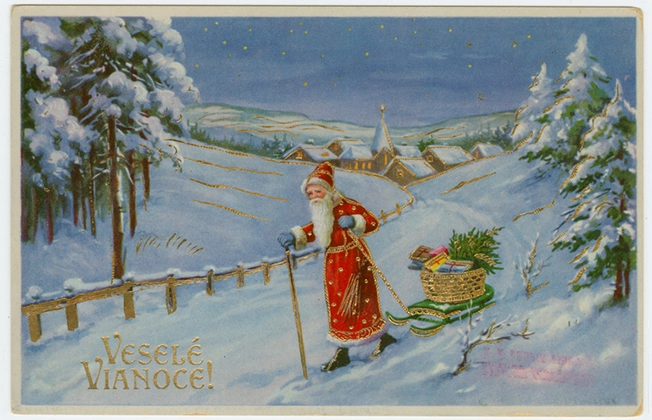
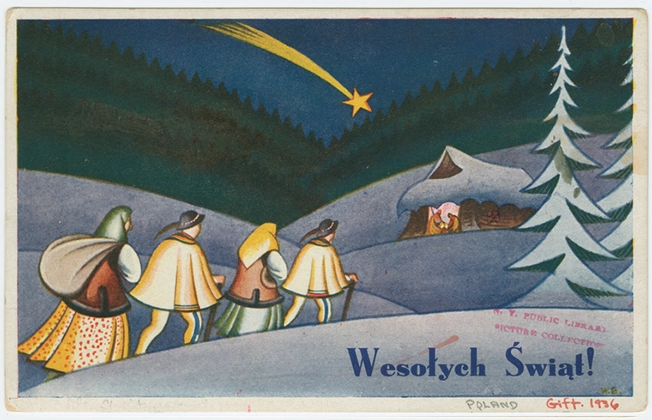
Holiday Card as a Creative Arena for Modernists
As graphic design entered the mainstream in the mid-1900s, many of the most respected designers treated holiday cards as a space to experiment, personalize, and showcase their aesthetic sensibilities. These designs often mirrored broader artistic trends such as modernism, minimalism, and illustrative detail. These designs were often created for friends, clients, or institutions rather than for mass marketing.
Seasonal Greetings from Design Icons
AIGA’s archives and design collections reveal a treasure trove of holiday cards by major graphic design figures from the 1950s through the 1970s, including:
Milton Glaser
created a Christmas card that translated a Christmas tree into typographic form using type settings from an advertising catalog.
Paul Rand, Chermayeff & Geismar, Lester Beall,
and others contributed seasonal cards that combined playful concepts with modernist clarity.
Anton Stankowski
designed a New Year greeting card that doubled as a calendar, arranging the days in a spiral of dots with a minimalist aesthetic.
Herb Lubalin
created a clever New Year note in 1972 using flipped numerals in his typographic style.
Museums and the Cultural Archive of Holiday Design
Institutions have preserved these works as part of the graphic design canon. For over 80 years, the Museum of Modern Art’s holiday card program invited artists such as Picasso, Matisse, Calder, Andy Warhol, and others to contribute unique designs. These cards blurred the line between seasonal greeting and collectible art object.
Exhibitions in cities like Milan have showcased Christmas and holiday designs by post-war Italian studios, where designers challenged festive clichés with minimalism, abstraction, and structural wit.
Beyond the Big Names: Popular and Anonymous Holiday Prints
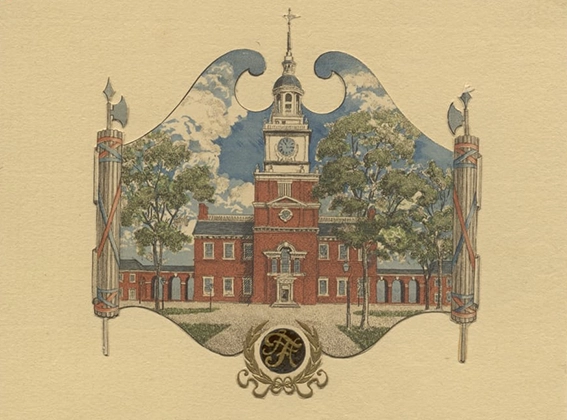
Not all influential holiday design was attributed to famous figures. By the mid-20th century, commercial publishers and greeting card companies actively commissioned artist-designed cards from illustrators and graphic artists alike. Collections from institutions such as The Henry Ford show how artists like Mary Blair, Doris Lee, and Tammis Keefe brought their signature styles to seasonal cards in the 1940s and 1950s.
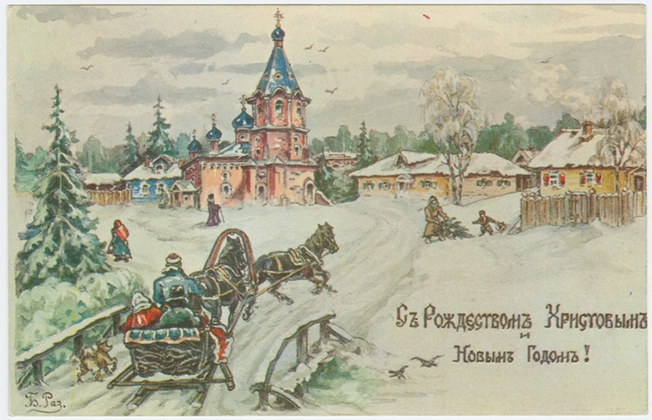
Alongside these artist-designed cards are anonymous but highly evocative printed artifacts: vintage Eastern European New Year cards, mid-century Christmas postcards, and traditional seasonal prints, preserved in archives and communities. Many were created by illustrators whose names were never widely recorded but their work is now treasured for its historic and aesthetic value. In this way, pre-digital holiday design anticipated the ways designers today use seasonal visuals to celebrate cultural moments, spread joy, and build brand identity, all through slower, more tactile methods.