Home
Home Articles
 Twos Talks
 Videos
Top 5 Graphic Design Trends We’ve Seen in 2026 So Far
Not predictions, but observations. A mid-year reading of visual directions that have surfaced across design studios, platforms, and industry reports in 2026. Meta Description CMS: Explore the top graphic design trends shaping 2026, from anti-polish aesthetics and brutalist typography to AI, sensory design, and localized branding
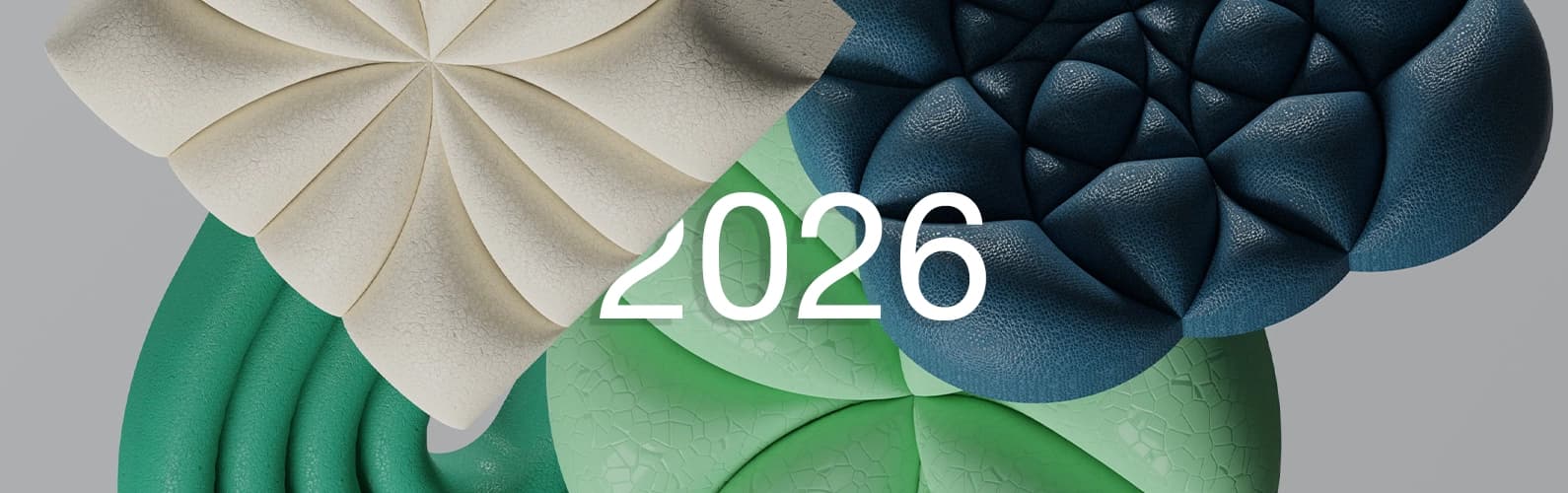
This is not a forecast of where graphic design is heading. It is a reading of what is already happening.
Across the first half of 2026, certain visual directions have begun to surface in studio-led identity work on Behance and Awwwards, in design work shared across Instagram and Pinterest, and through industry reports from Adobe and other creative research sources.
Each project differs in intent and execution. Still, the recurrence of similar visual strategies points to wider shifts in how designers are responding to AI tools, cultural fatigue with overly polished aesthetics, and a growing demand for more tactile, emotionally grounded design systems.
What follows is a selection of five patterns that appear consistently enough to be read as signals.
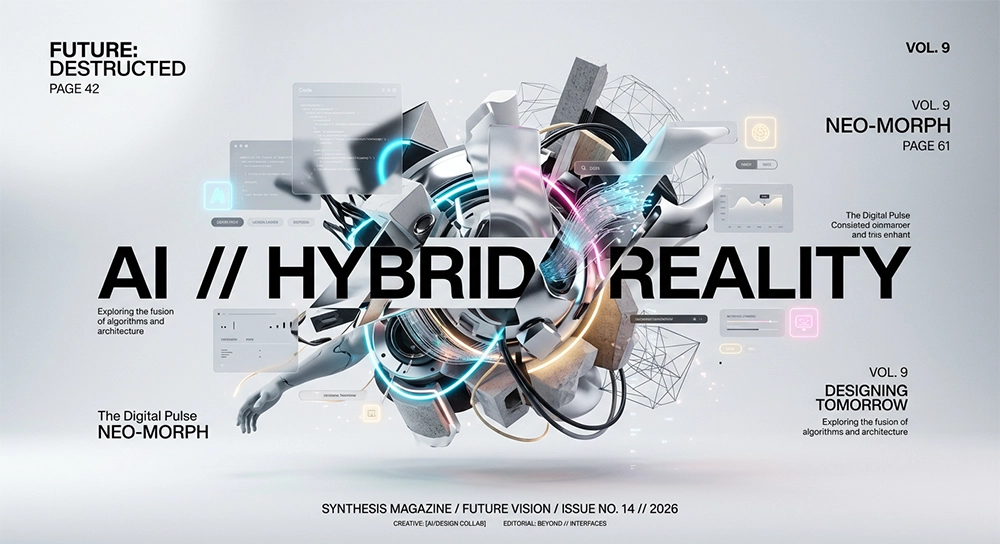
5. Surreal AI-Inflected Composition
What it is
A growing body of work blends AI-generated imagery with intentional design systems, not as novelty but as a controlled visual language. This creates surreal visual spaces where realism and artificial construction sit in tension.
Evidence
Adobe's 2026 Creative Trends report points to growing interest in AI-assisted creativity alongside a renewed emphasis on authenticity and human expression. Similar directions can be seen in experimental identity work on Behance and motion-led branding experiments from studios working with generative tools.
Why it’s happening
As AI tools become embedded in everyday workflows, designers are no longer using them purely for efficiency. Instead, AI is increasingly treated as a visual material, shaped and constrained through design decisions that reintroduce imperfection and intent.
Where it appears
Branding systems, campaign visuals, motion design, and experimental editorial work.
4. Sensory-Driven Visual Design
What it is
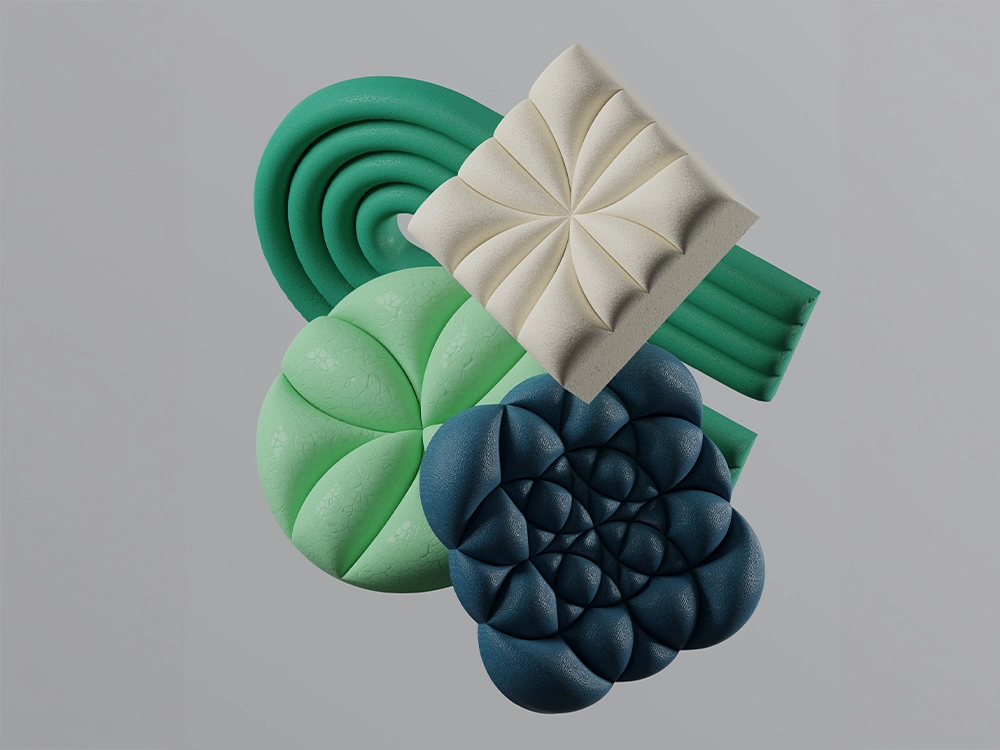
A transition from purely clarity-driven design systems toward sensory and material-led visual languages. Instead of prioritizing only readability and structure, these systems emphasize texture, scale, depth, and emotional suggestion, creating visuals that feel more experiential than informational.
Evidence
Adobe’s Creative Trends research identifies “All the Feels” as a core direction, pointing to a growing emphasis on emotional intensity and multisensory engagement in visual communication. This is reflected in contemporary campaign work, where texture, depth, and exaggerated materiality are used to create visuals meant to be felt as much as understood.
Why it’s happening
As digital environments become increasingly saturated with visual information, highly optimized flat and minimal systems struggle to create lasting attention or emotional retention. Designers are responding by reintroducing tactility, texture, and sensory cues into digital-first environments, restoring a sense of material presence in otherwise immaterial spaces.
Where it appears
Editorial design, advertising campaigns, UI backgrounds, and motion-led storytelling.
3. Localized Visual Identity Systems
What it is
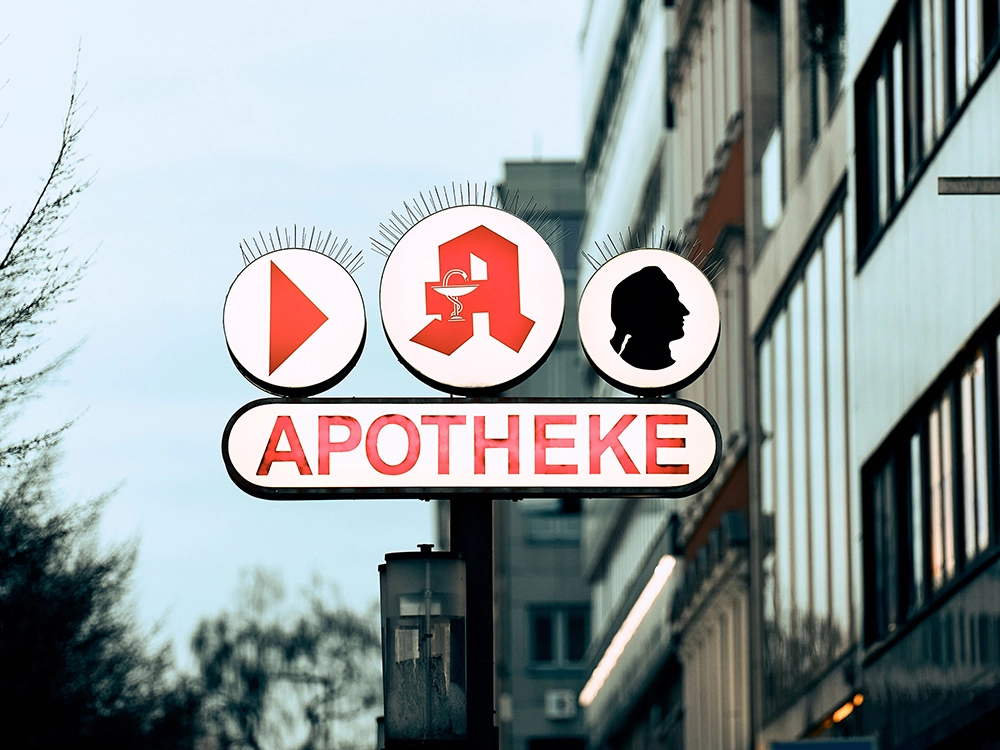
Brand identities and campaigns are increasingly drawing from specific cultural, regional, or hyper-local references instead of globally neutral aesthetics.
Evidence
Adobe’s 2026 forecast identifies “Local Flavors” as a recurring direction, with a focus on culturally grounded and region-specific storytelling in design practice. Similar patterns can be seen in identity work from studios featured on It’s Nice That and Creative Boom, where local collaboration is increasingly part of the design process.
Why it’s happening
As global design systems become visually homogenized, cultural specificity is becoming a differentiator. Audiences are responding more strongly to work that feels rooted rather than generic.
Where it appears
Brand identity, packaging, hospitality branding, and cultural campaigns.
2. Brutalist Typography Returns (Now More Controlled)
What it is
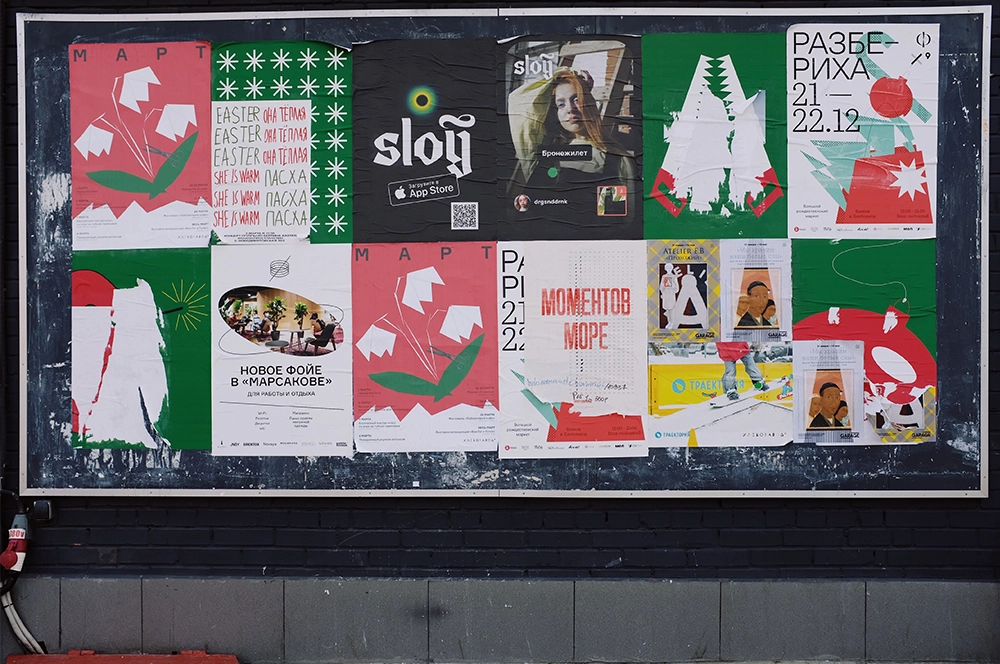
A resurgence of bold, heavy, sometimes confrontational typography, but now refined through more structured layout systems.
Evidence
Across editorial platforms, design publications, and studio case studies, typographic systems are moving away from neutral, invisible design toward expressive hierarchy and typographic dominance, particularly in digital-first branding.
Why it’s happening
After years of minimal and rigid typographic systems, designers are reintroducing tension and hierarchy as a way to restore personality and clarity in visually overloaded environments.
Where it appears
Posters, editorial layouts, digital branding systems, and campaign landing pages.
1. Human-Centered Anti-Polish Aesthetics
What it is
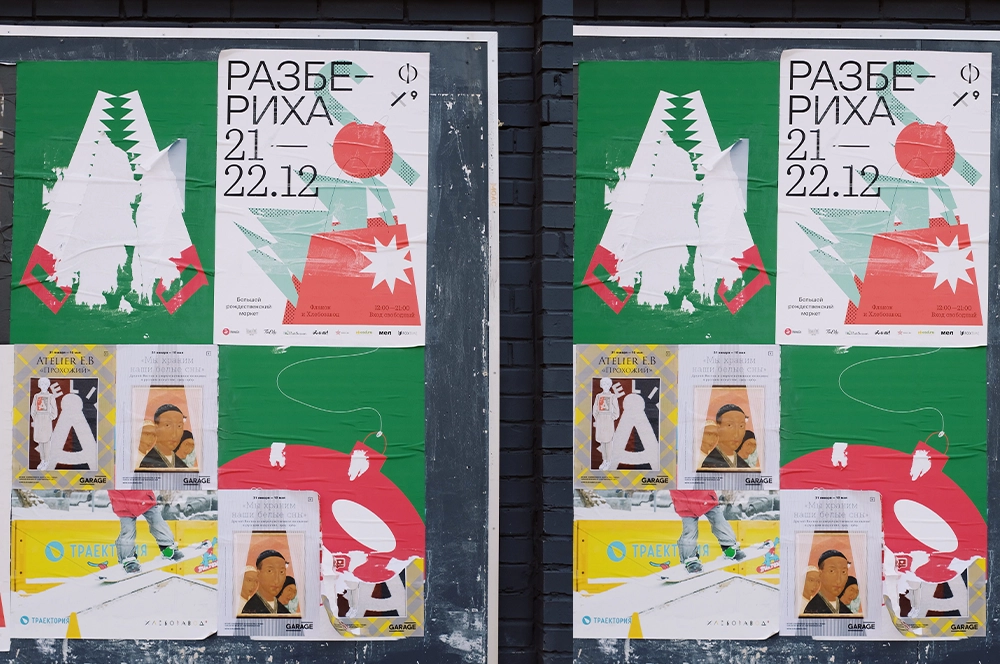
A deliberate move away from overly polished, synthetic visuals toward more human, imperfect, and “unfinished” aesthetics.
Evidence
Across multiple industry reports, including Adobe’s broader 2026 outlook, there is a clear emphasis on authenticity, emotional resonance, and human-centered design as a response to AI-driven content saturation. Similar sentiment appears in editorial commentary across contemporary design publications discussing fatigue with overly synthetic or overly smooth visual output.
Why it’s happening
As AI-generated content becomes more common, visual perfection is losing its value as a marker of quality. Imperfection, hesitation, and texture are becoming signals of authorship and intention.
Where it appears
Brand identities, photography-led campaigns, editorial spreads, and social-first visual systems.
Short Answers (FAQ)
What are the biggest graphic design trends in 2026?
The biggest graphic design trends in 2026 include human-centered anti-polish aesthetics, controlled brutalist typography, localized visual identity systems, sensory-driven visuals, and surreal AI-inflected composition.
Why is graphic design moving away from minimalism?
Minimalism is becoming less dominant because similar-looking digital experiences are everywhere. Designers are using texture, expressive typography, and cultural references to create more distinctive and emotionally engaging work.
How is AI influencing graphic design in 2026?
AI is increasingly used as a creative tool rather than a replacement for designers. Many studios use AI-generated imagery as a starting point, refining it through intentional design decisions.