Home
 Articles
 Twos Talks
 Videos
How Art & Market Tells Southeast Asia’s Art Stories
Twos Studio’s conversation with Ian Tee of Art & Market on Southeast Asian art, shaping the A&M’s editorial voice, and the connections that sustain the art world.
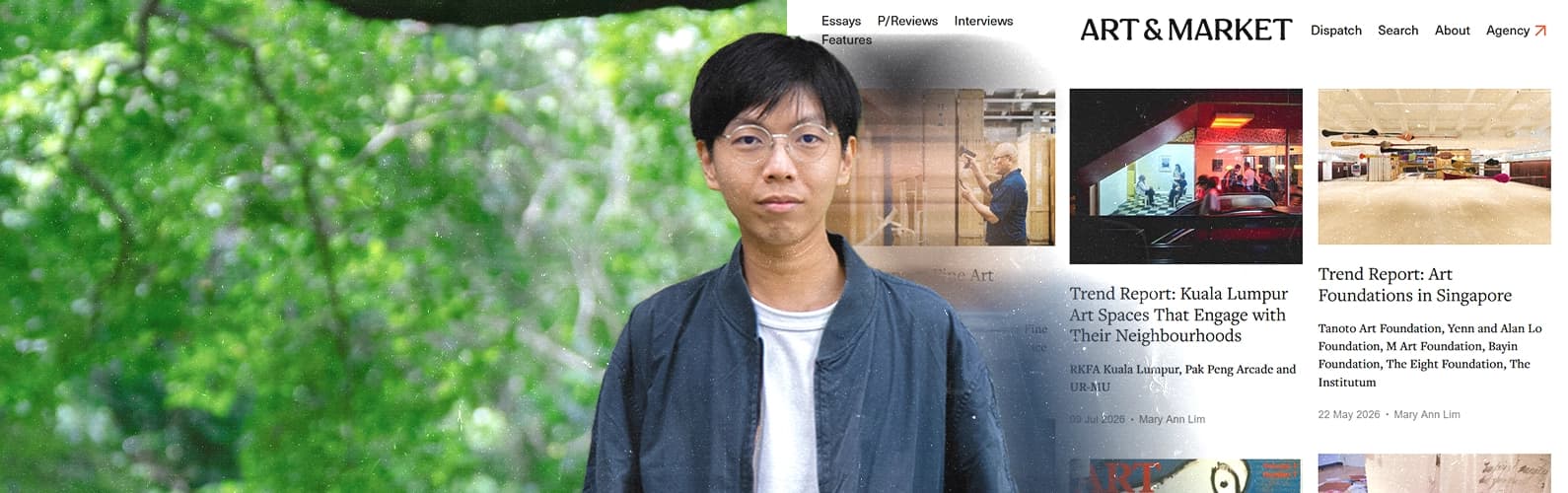
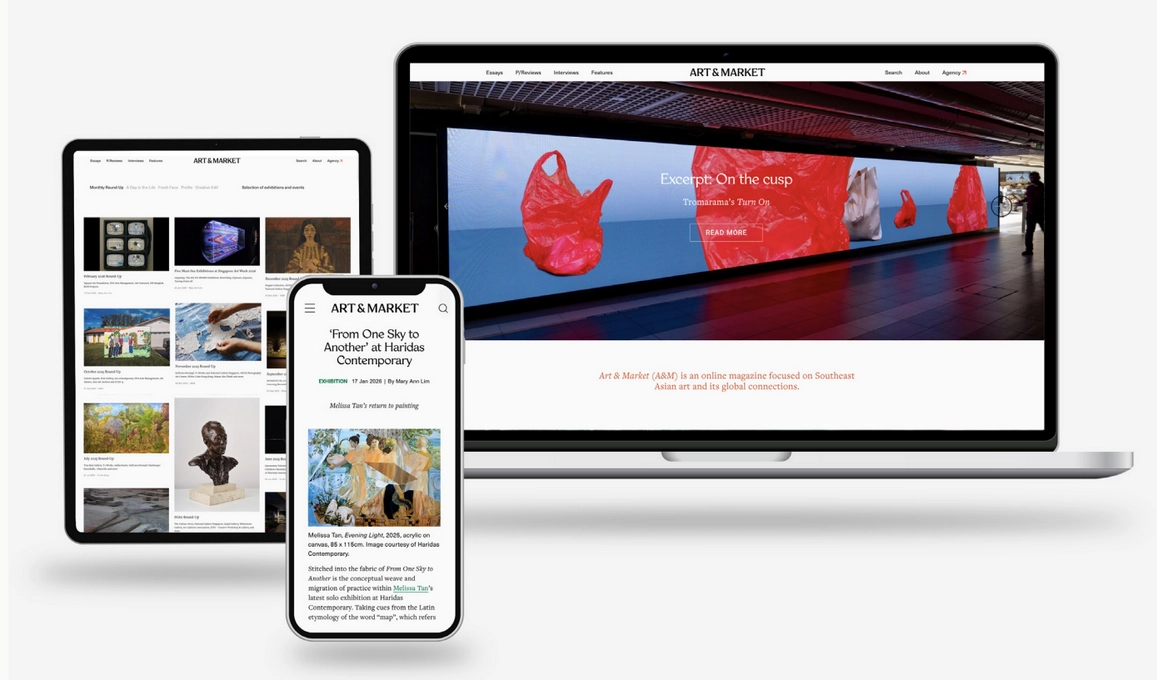
Ian Tee is Editor of Art & Market, a platform focused on Southeast Asian art and its global connections. Founded by Nadya Wang in 2018, A&M brings together accessible journalism and academic research to explore the region’s artistic, business and curatorial practices. Its activities span interviews, reviews, podcasts, conferences and the annual print publication CHECK-IN. Based in Singapore, Ian is also a practicing visual artist, writer and curator. Since joining A&M at its founding, he has helped shape its editorial direction and conducted more than 90 long-form interviews. His wider work includes publications on artists Fadjar Sidik and Vincent Hoisington.
In this interview, we speak with Ian about the ideas behind A&M and the changes he has witnessed in Southeast Asia’s art scene. We discuss how he chooses stories, the relationships connecting the region to a wider art world, and how his editorial experience informs his artistic practice. As A&M marks its eighth anniversary, this conversation forms part of a two-part interview between A&M and Twos Studio. Read to the end for Ian’s accompanying interview with Twos Studio founder Sajad Safajooee.
When Art & Market was founded in 2018, what was missing from the coverage of Southeast Asian art that you wanted to address?
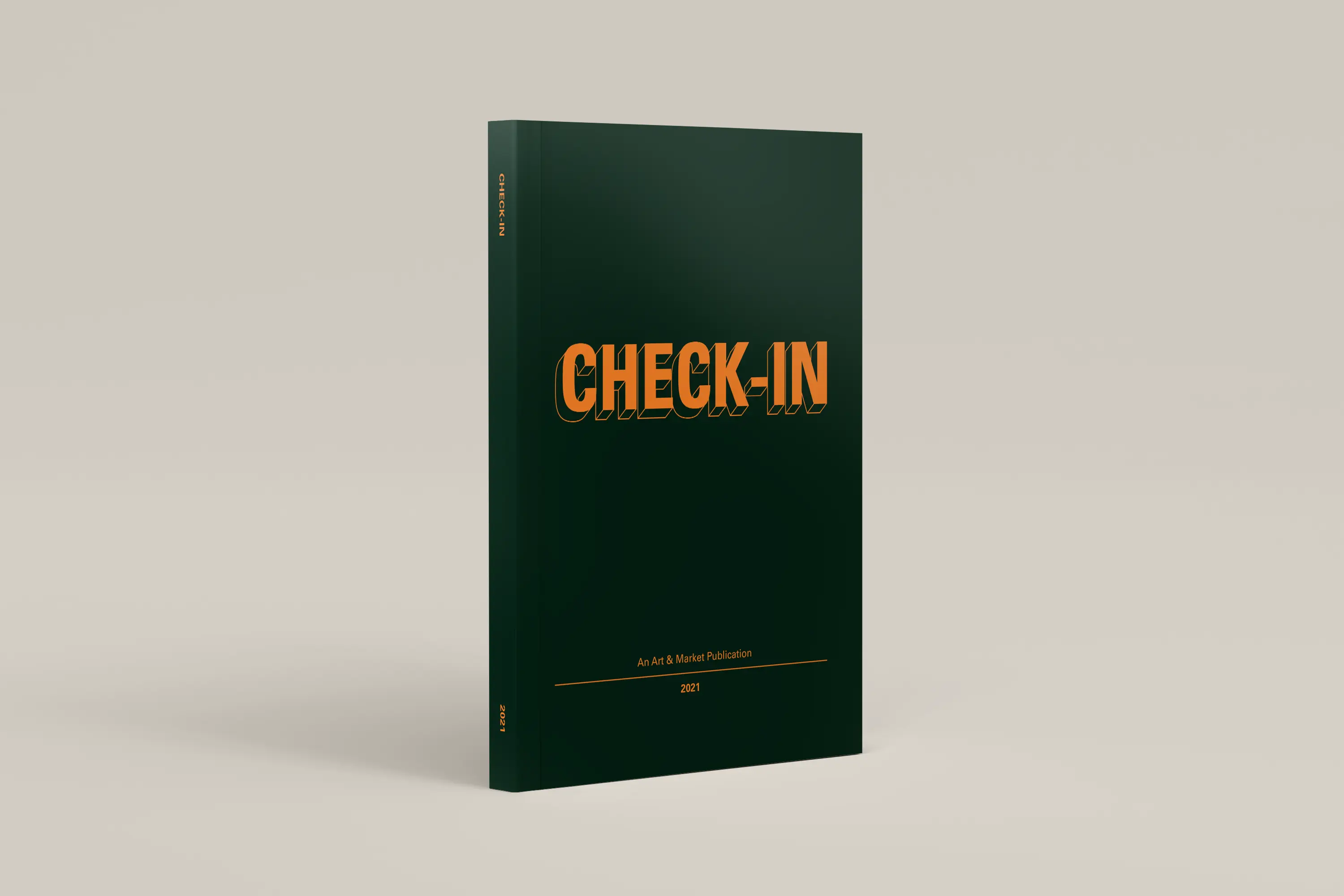
In 2018, there were two key aspects A&M Founder Nadya Wang and I aimed to address with the platform. The first is concerned with establishing a tone for discussing Southeast Asian art that balances academic rigour and plain language. Existing coverage tended to be either overly dense and jargon-laden, or lacking depth. We saw an opportunity to contribute nuanced, accessible art writing from our vantage point in the region. This editorial tone is carried through into A&M’s annual print publication CHECK-IN which began in 2021.
The second area deals with the “Market” in our name Art & Market. We view the “Market” not merely as a site of commerce, but as an expansive space for the exchange of ideas and professional practices. Readers will find articles with professionals in fields such as conservation, art media, logistics and fabrication. By exploring the entire life cycle of art—from its creation to its preservation—A&M champions the diverse relationships that sustain the industry. This angle is most directly encapsulated in our Art x Business interview series.
What is the biggest change you've seen in Southeast Asia's art scene since A&M started?
International interest and visibility for Southeast Asian art have expanded greatly since 2018. With increased mobility and connectivity, I think the scope of Southeast Asia’s art scene(s) is now no longer limited by geography. Instead, it is more meaningful to pay attention to global networks that connect back to this region. One example is how Southeast Asian galleries are gaining presence in different continents, such as Silverlens Galleries which opened their New York space in 2022. Another example is Bangkok Art Biennale Foundation’s satellite exhibitions The Spirits of Maritime Crossing at the Venice Biennale in 2024 and 2026. There are also international circuits generated by art fairs, biennales, museum patron circles and private art foundations that contribute to this expansion of the Southeast Asian art scene.
I believe this paradigm change will impact how we think about Southeast Asian art even within local contexts. I hope such rising tides will float all boats as we build stronger networks that enable diverse voices to be heard at international platforms.
As the Editor of Art & Market, how do you decide which artists and stories to feature on the platform?
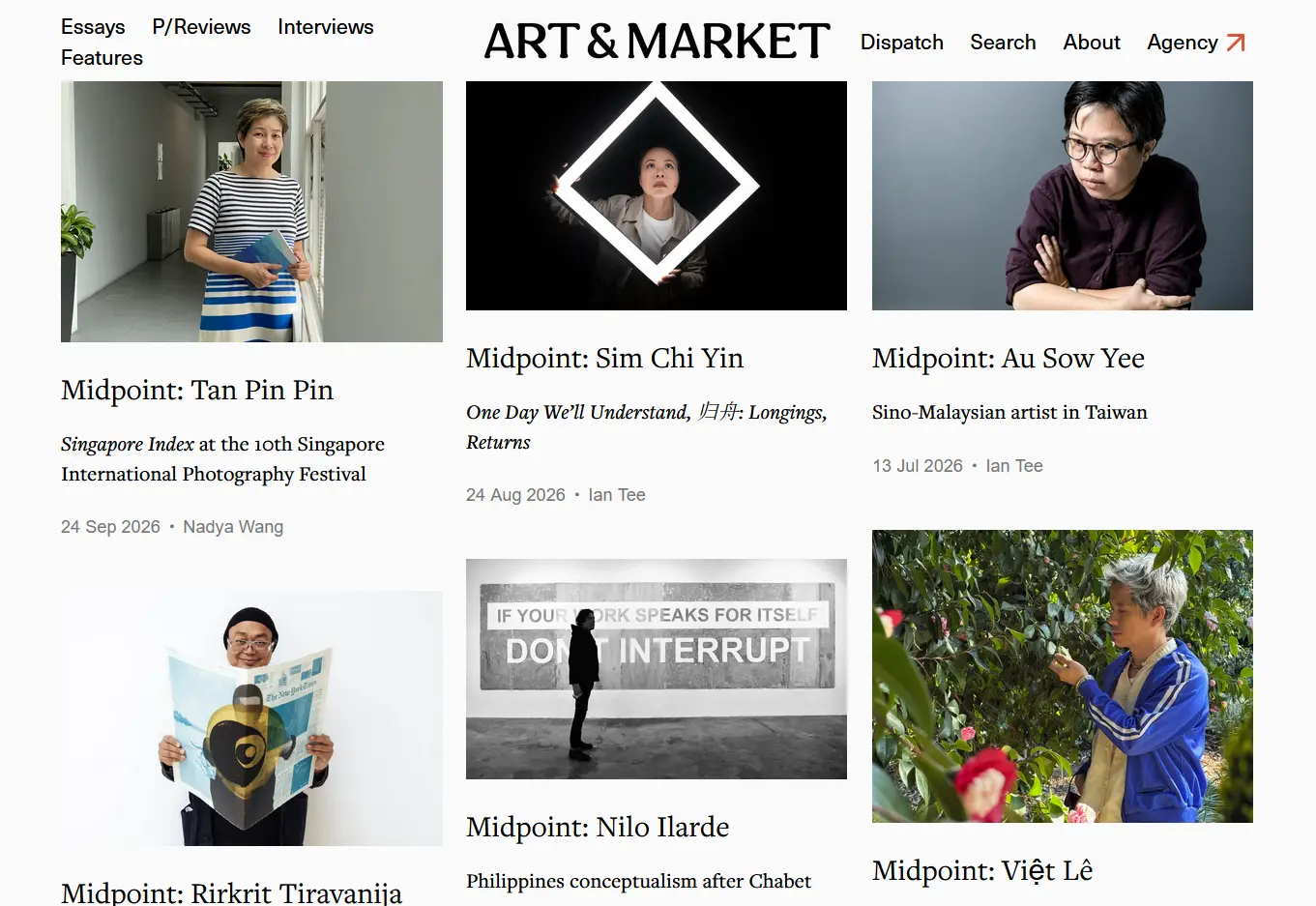
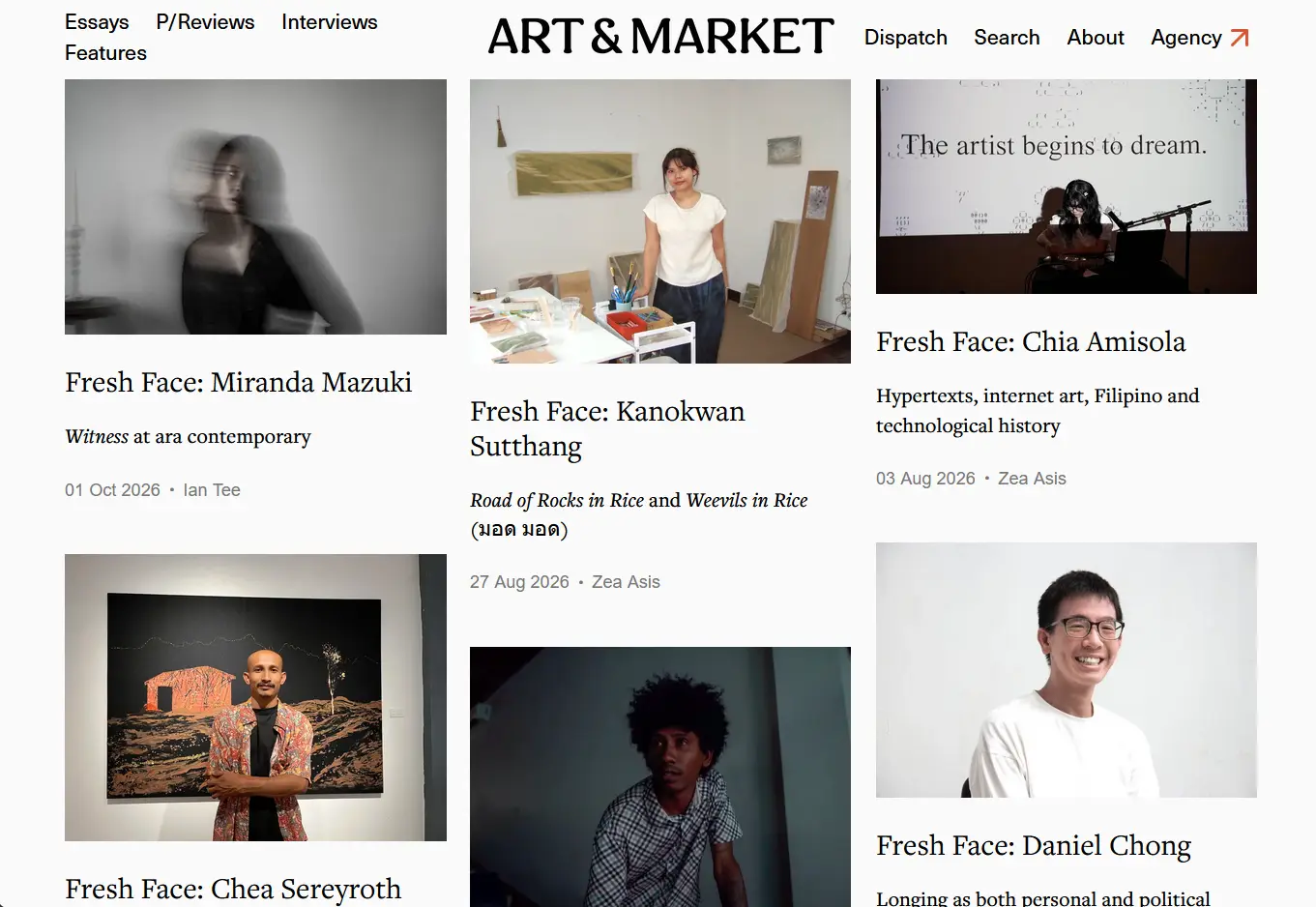
Our editorial direction has a few content pillars. The first is our commitment to spotlighting artists from Southeast Asia and its diaspora at different stages in their careers, through the monthly Midpoint series which features mid-career artists, and the Fresh Face series for emerging names. Often, the most compelling stories come from artists who wear multiple hats and engage in activities that feed back into their artistic practice.
Another important section is My Own Words, an op-ed column where we invite practitioners to write personal essays about their professional experiences or their local context. These essays provide direct access to understanding the different challenges faced, as well as lessons learnt which could be adapted across contexts. They also serve as an archive of primary sources for researchers. To that end, it is heartening to hear from friends in academia who share that A&M is frequently cited by students in their papers.
In the last two years, we have also increased our coverage of exhibitions and practices from beyond Southeast Asia. With these stories, we find points of connection which could be projects related to the region or shared concerns. This move is partly driven by the observation I discussed in your previous question.
Regardless of the type of story, we strive to produce evergreen pieces that provide value to the reader, whether they gain deeper insight into a singular practice, or learn something that demystifies one aspect of the art world.
If you were introducing Southeast Asian contemporary art and design to someone who knows nothing about it, which artist or artwork would you choose first, and why?
For someone new to Southeast Asian contemporary art, I would introduce the works of Indonesian artist Heri Dono (b. 1960, Jakarta, Indonesia). He is known for reimagining elements of traditional Indonesian art forms and storytelling to engage with contemporary sociopolitical concerns. Heri Dono studied under a wayang kulit shadow puppet master, and later incorporated wayang aesthetics as an artistic language. His works often speak to the issues caused by rapid development as well as the legacies of the New Order authoritarian regime in Indonesia which lasted from 1966 to 1998.
In many ways, Heri Dono’s work exemplifies the type of early Southeast Asian contemporary art that emerged in the 1980s and 1990s. He draws from indigenous aesthetic traditions but playfully reinvigorates them to express contemporary sentiments. It is a good point of entry to understand both Indonesian cultural traditions and recent history. Of course, subsequent generations of contemporary artists have developed their individual methodologies and sensibilities. Nevertheless, Heri Dono is a canonical figure in Southeast Asian contemporary art whose works spark curiosity.
Apart from being the Editor of Art & Market, you are also a practising visual artist. How has your experience as an editor influenced your own artistic practice?
My editorial role at A&M has offered opportunities to speak with and learn from the diverse experiences of various artists and creative practitioners. It has shown me the different ways one can imagine an artistic practice to be, with its ups and downs and non-linear transformations. At the same time, these conversations also removed any romantic notions about the life of an artist, haha!
More directly, I now find myself more curious about the relationship between art and the media as a way of reflecting on these two aspects of my work. This has influenced my long-term project about World War II memories that connect Singapore, where I am based, and broader histories in the Asia Pacific. My current research delves into the production, circulation and interpretation of wartime artworks and media from different communities during WWII and the postwar years. Specifically, I am looking into propaganda materials, artworks in support of fundraising efforts as well as works by civilians and prisoners of war. I am interested in how their meanings might have shifted over time as well as the larger social forces that shape culture and memory.
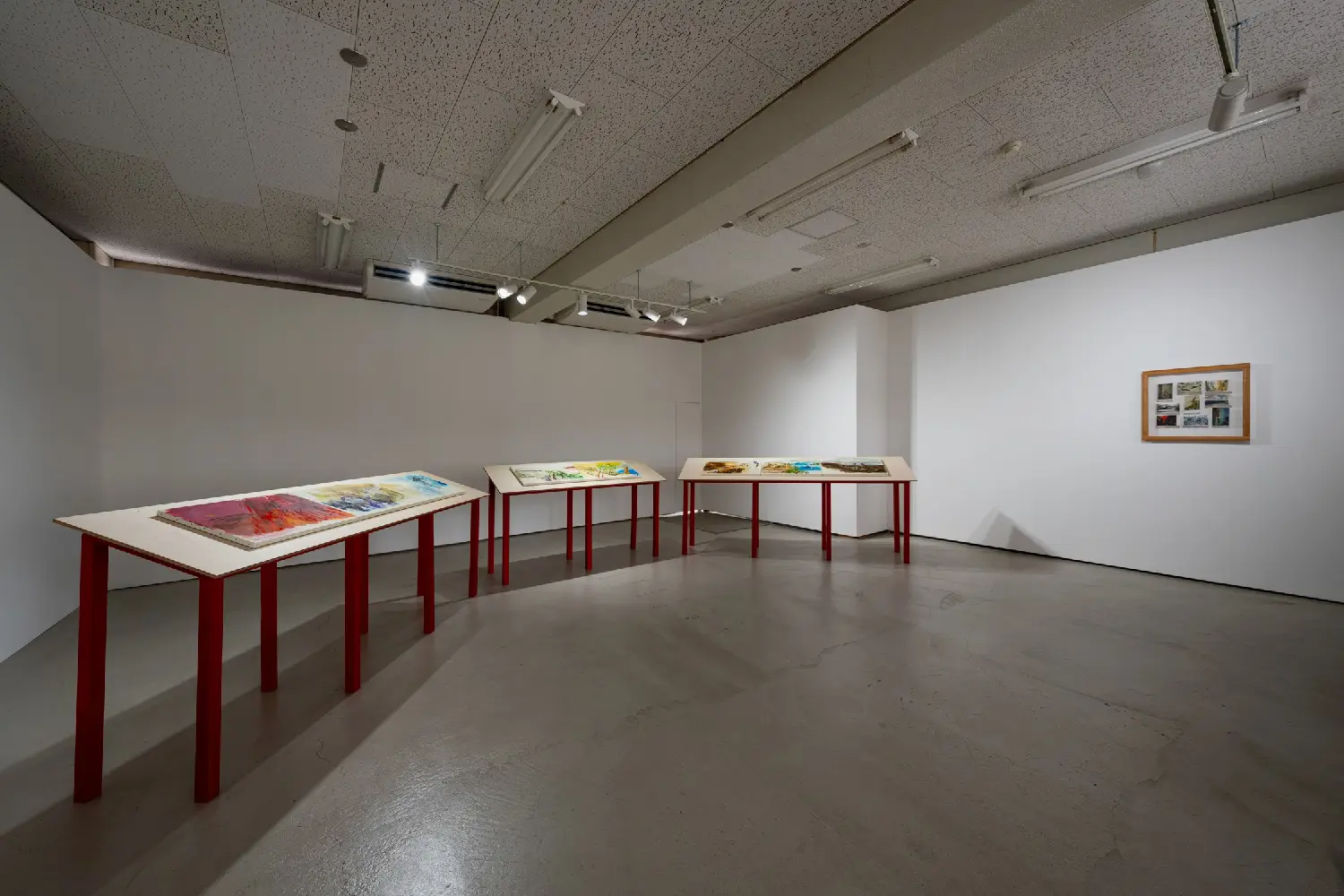
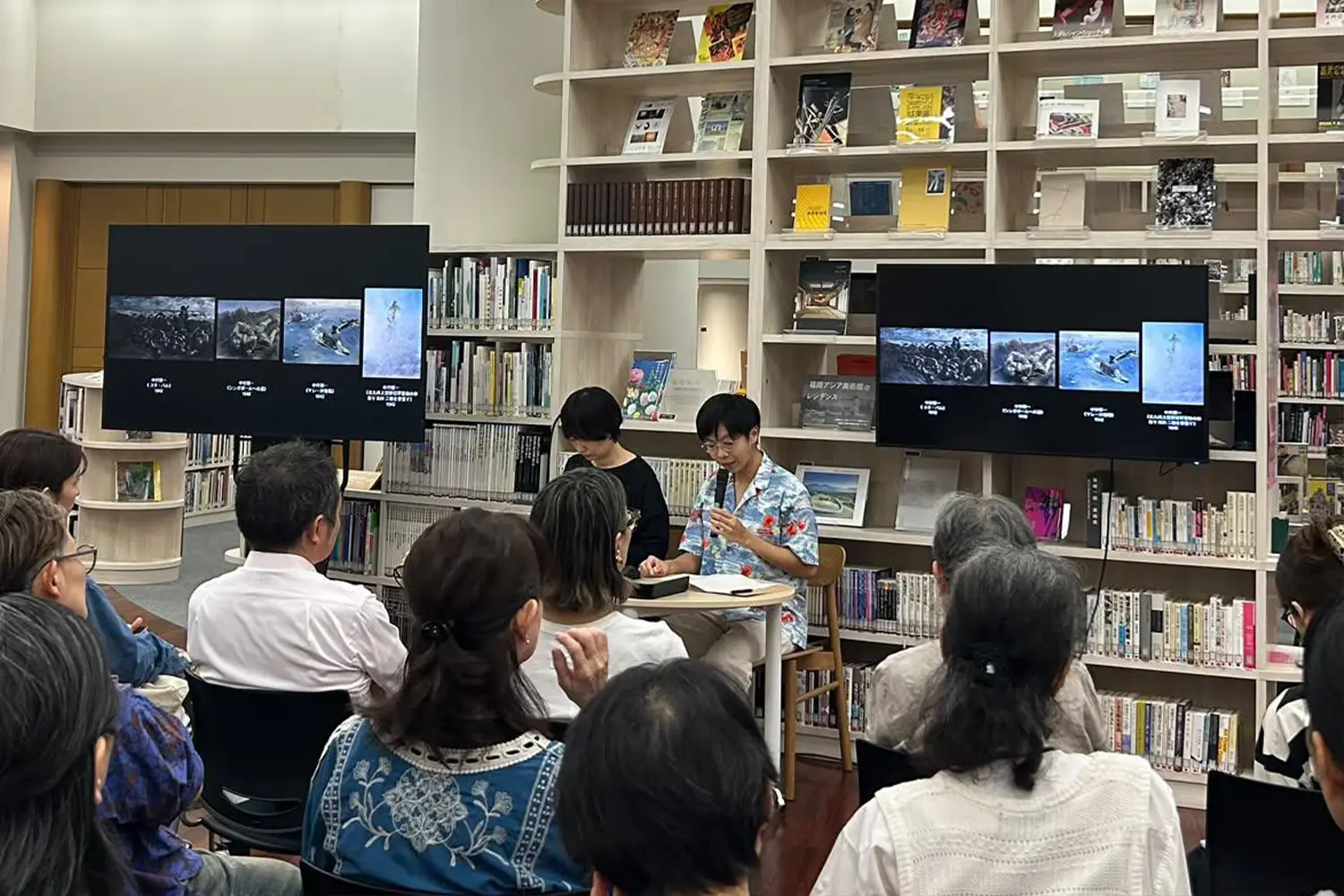
During my time at the Fukuoka Asian Art Museum’s artist-in-residence programme from July to October 2026, I created two works and a lecture performance as part of this project. Actually, the lecture performance was the first time I utilised text as a medium. Through this recent trajectory in my practice, I hope to explore ways of meaningfully integrating my work as an artist and editor.
Looking ahead, how do you see the future of art and design in Southeast Asia, and what excites you most about it?
I see a period of change ahead. There is much uncertainty with new technologies and political tensions, and they will inevitably affect creativity and artistic communities. But I am also optimistic about the new possibilities that will arise. With major movement, there are also counter-trends that spring forth. I hope that the future of art and design in Southeast Asia is confidently multifarious rather than monocultural. A&M will be on the ground to witness and share these developments with our international community of readers.